Moving Quotes & Customer Education
How to Get an Accurate and Reliable Moving Quote
A good estimate should reflect the real details of your move—not merely an attractive hourly rate or headline total. Use this guide to compare pricing models, written scope, accountability, and the service that stands behind the number.
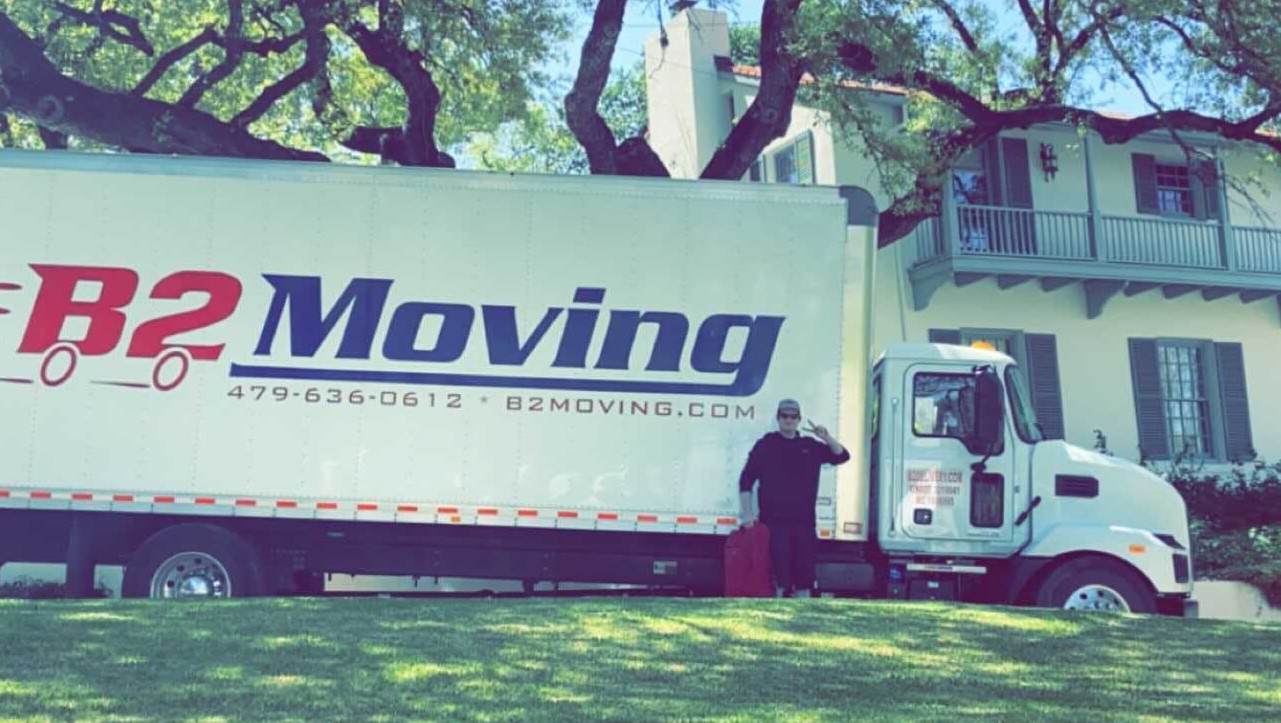
- Written scope and pricing
- Inventory and access reviewed
- Accountable in-house team
- Changes approved in writing
What a reliable moving quote looks like
A reliable mover should understand your inventory, access conditions, requested services, schedule, and specialty items before estimating the move. The company should identify whether pricing is hourly, flat-rate, weight-based, or cube-volume-based; explain whether the estimate is binding or non-binding; and put the scope, assumptions, and price terms in writing.
“B2 Moving stands behind our estimating work. We document the inventory, services, access, schedule, and pricing terms so our customers can review the same plan we expect our team to deliver.”
— Jesse & Adam, owner-operators
One accountable Northwest Arkansas company
Family-owned and operated B2 Moving brings planning, packing, protection, transportation, and delivery under one accountable Northwest Arkansas company.
You can meet our team, verify our authority, review our published local pricing, and understand your protection before we ever enter your home.
- Identifies the pricing model and explains how the estimate is calculated.
- Sends the inventory, scope, assumptions, and pricing terms in writing.
- Has strong ratings from real customers.
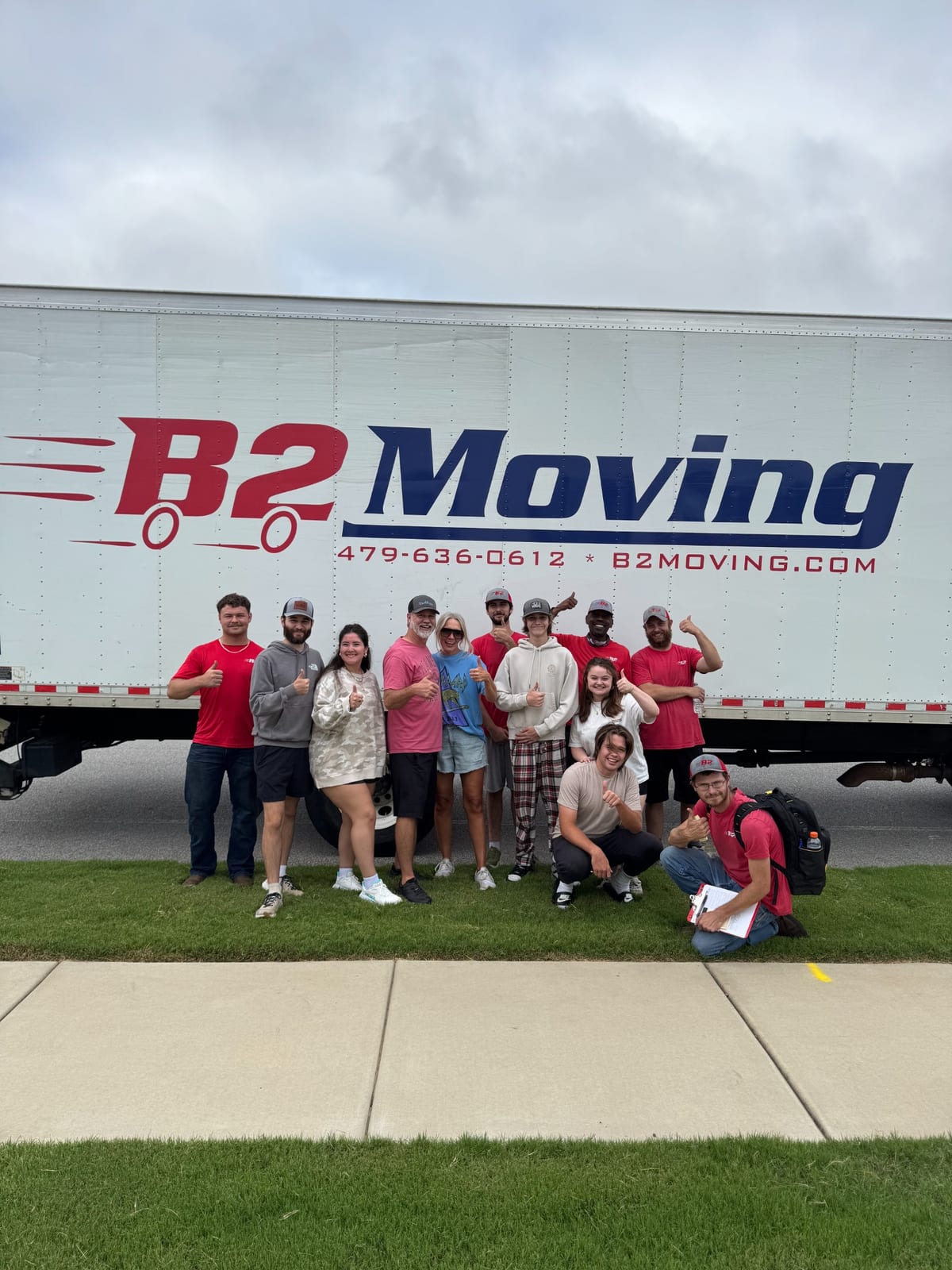
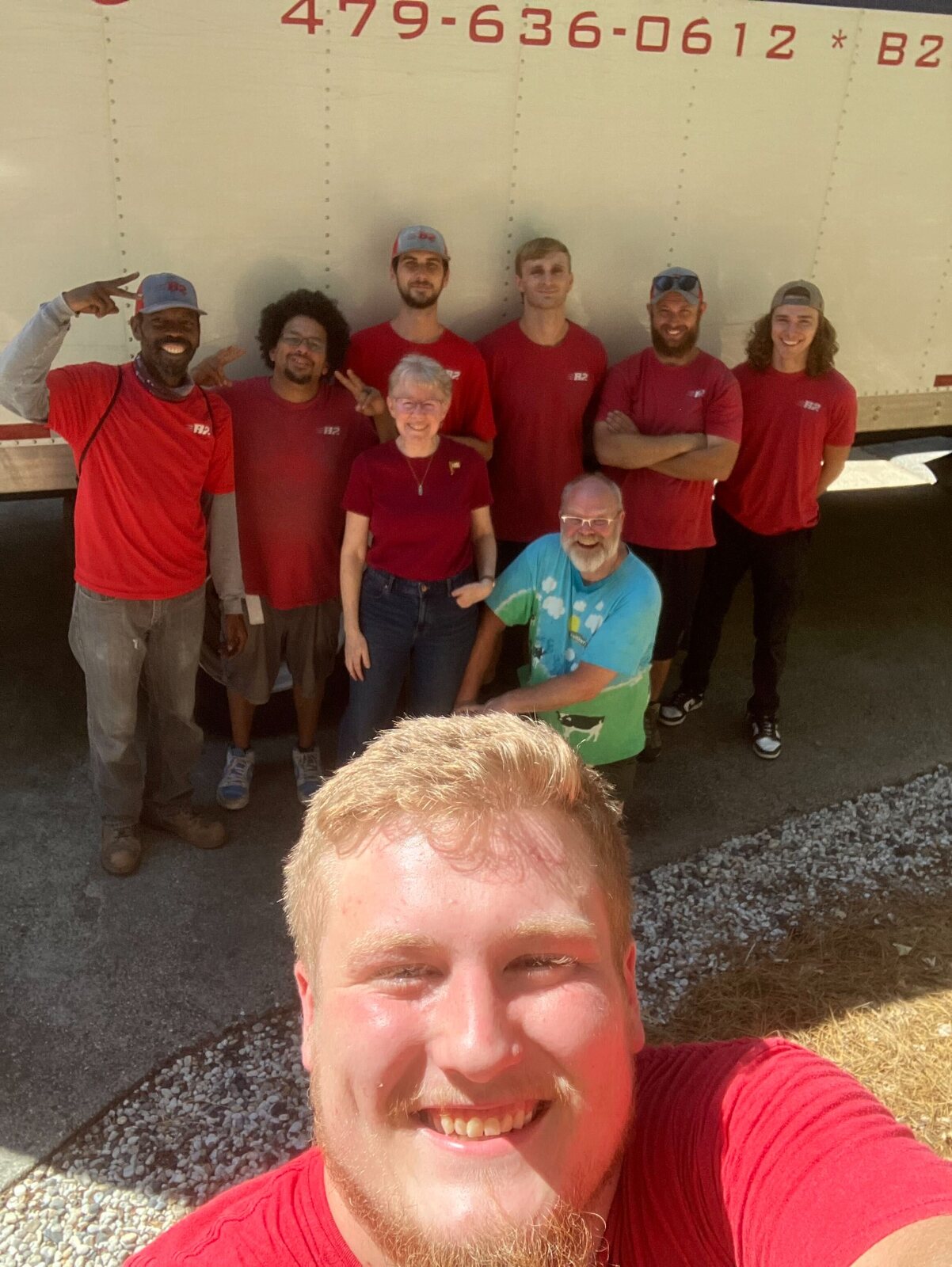
- Shows real team members on its website and online profiles.
- Is helpful, polite, responsive, and service-oriented.
- Publishes local hourly pricing or readily shares applicable rate details.
- Documents any approved scope or price revision before performing the added work.
- Has authentic reviews with specific customer experiences.
- Invests in its team and is proud to show who will perform the work.
- Acts with urgency and keeps the customer’s best interest in mind.
Moving quote red flags
A low number is not necessarily a good estimate. Watch for a quote that leaves out essential questions, avoids written details, or relies on a rate that looks dramatically different from every other mover you contacted.
- You receive a lowball quote before the company learns the specifics of your move.
- The pricing model or binding versus non-binding status is not clearly identified.
- A weight-based estimate does not explain certified scale tickets, tare weight, or reweigh rights.
- The company hesitates to document the inventory, scope, assumptions, or price terms.
- The estimate is dramatically lower than comparable quotes without a clear operational reason.
- Delivery expectations, shipment transfers, or possible shared-load handling are left vague.
- The mover relies on undisclosed third parties, contractors, destination agents, or day laborers.
- You cannot verify the legal carrier name, active USDOT authority, insurance, or the party transporting your belongings.
Seven questions to ask every mover
What pricing and estimate method are you using?
Ask whether pricing is hourly, flat-rate, weight-based, or cube-volume-based—and whether the estimate is binding or non-binding. For weight-based interstate estimates, ask how tare and loaded weights are obtained, whether you receive certified scale tickets, and how reweigh rights work. Start with the one-page B2 Long-Distance Buyer Guide, then use the detailed Mover Verification Guide for deeper questions.
What inventory, access, and services support the estimate?
Confirm what is moving, what is not, stairs and walking distance, specialty items, packing, disassembly, storage, and other services. Ask who owns the estimating accuracy if the quoted labor, truck space, or shipment weight materially misses without a customer scope change.
Will the complete plan be provided in writing?
Your written estimate should identify the scope, pricing terms, included services, possible additional charges, and what can change the price. Ask how revisions will be reviewed and approved if your needs change.
Who will perform the work?
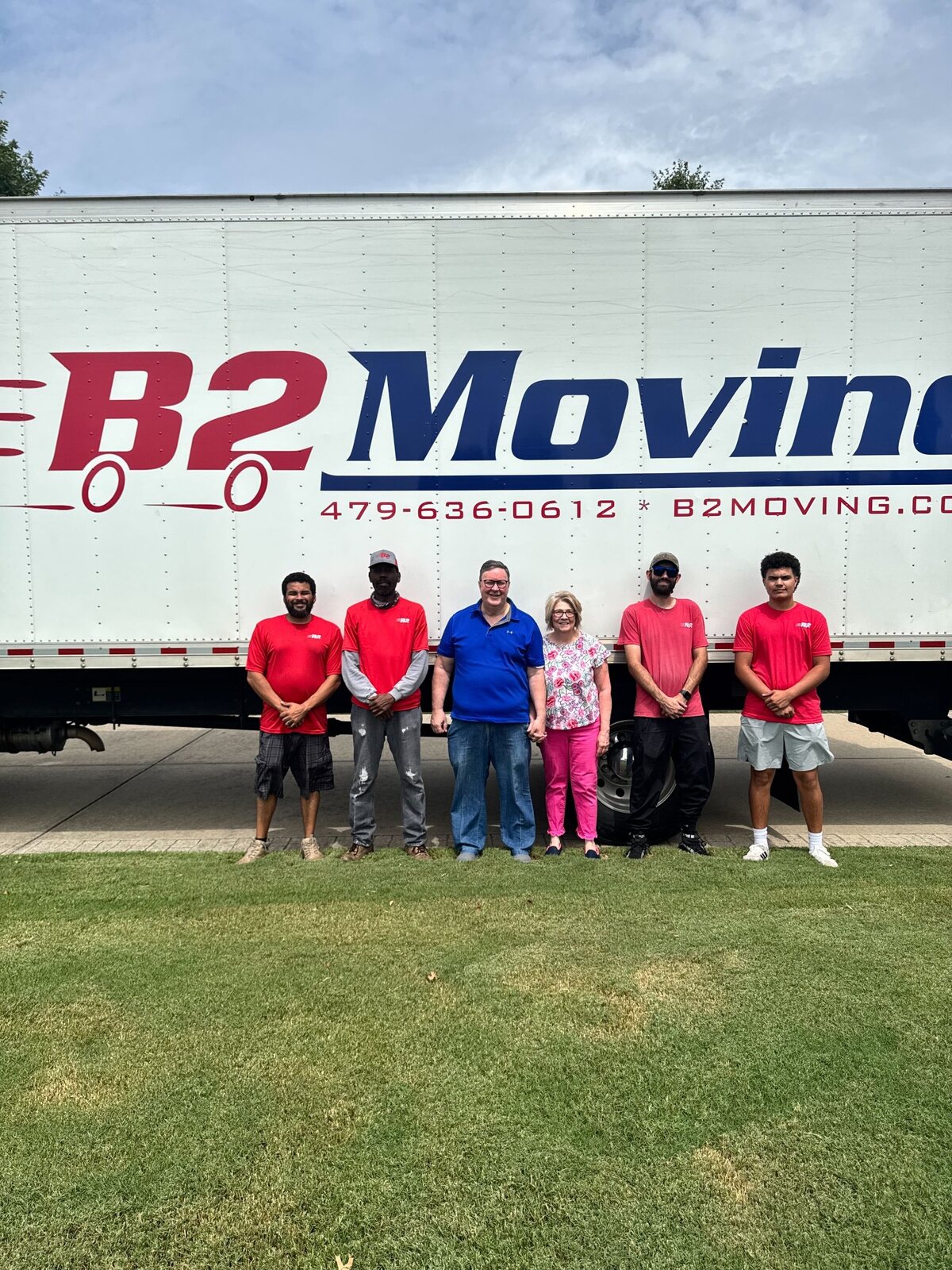
Ask whether the people entering your home are employees, contractors, day laborers, or destination agents—and who is accountable for their training and insurance. For a long-distance move, ask whether the same crew will load and deliver. Meet B2’s front-line team.
What delivery and shipment-handling plan is included?
For interstate moves, ask for the delivery date or window in writing, whether exact scheduling costs extra, and whether your belongings will be co-mingled, transferred, cross-docked, warehoused, or handled with other customers’ shipments.
What protection applies, and who owns a claim?
Ask for the Full Value and Released Value terms, limits, deductible, exclusions, settlement options, required documentation, and expected claim timeline. Confirm who remains accountable through resolution. B2 offers Full Value Protection on all moves and includes it with long-distance moves unless the customer elects Released Value Protection; signed service documents and terms control. Review B2’s protection terms.
Can I verify your authority and accountability?
Obtain the legal company name and USDOT number, then verify active authority through FMCSA. Ask whether the company is the carrier or a broker, whose authority and insurance cover the truck, and who has decision-making authority if the plan changes. B2 operates under USDOT #3219041 / MC #1006995.
Bottom line: compare the complete scope and accountability behind the number—not just the headline rate. Your written estimate and signed service documents should identify what is included, what assumptions were made, and which approved changes may affect the final cost. The written estimate and service documents control any applicable pricing commitment.